
Electric Sports Cars

What Is an Electric Sports Car?
An electric sports car is a high-performance vehicle powered primarily by electric motors and batteries rather than a traditional internal combustion engine (ICE). These are designed not only to offer zero-emission driving but also blistering acceleration, dynamic handling, and thrilling performance competitive with petrol-powered sports cars. Unlike regular EVs that focus on economy and practicality, electric sports cars prioritise speed, handling, and driver engagement, the core traits that define a true sports car.
For many enthusiasts, the idea of an EV sports car once seemed like science fiction. But today, electric sports cars exist as production models, confirmed upcoming projects, and credible prototypes, ushering in a new era of electrified performance motoring.
Why Electric Sports Cars Matter
Electric cars are no longer just eco-friendly city runabouts. They are serious performance machines. EV technology, notably instant torque, low-centre of gravity due to battery placement, and advanced power electronics, has redefined what high-performance driving can be. Gone are the days when combustion engines held a monopoly on thrilling acceleration and driver engagement.
Instant Torque and Acceleration
Electric motors generate peak torque from zero RPM, giving EVs remarkable sprint capabilities. For example, top electric performance cars can eclipse petrol rivals in 0-60 mph (0-100 km/h) acceleration due to this advantage in torque delivery. This instant torque characteristic allows electric sports cars to launch with blistering speed every time, without clutch slip or turbo lag.
Dynamic Handling and Chassis Design
Batteries located low in the chassis reduce the centre of gravity, improving cornering stability and driver confidence. Modern electric sports cars also use torque vectoring, where power is adjusted independently at each wheel, to maximise grip and dynamic balance. These technologies help EV performance cars feel not just fast in a straight line, but engaging through bends and on track environments too.
Sustainability with Performance
Electric sports cars deliver exhilarating performance with reduced tailpipe emissions, a combination that appeals to the environmentally conscious driver without sacrificing fun.
Electric vs Internal Combustion Engine (ICE) Sports Cars
Traditional ICE sports cars have held a special place in automotive culture for decades. They are loved for their engine sounds, mechanical feedback, and visceral character. But as EV technology matures, the debate has shifted: Can electric sports cars outperform ICE counterparts?
Performance Comparison
Electric sports cars already hold or match performance benchmarks once dominated by ICE vehicles. High-end electric hypercars now achieve acceleration figures that rival or exceed petrol counterparts.
Electric Hypercar Acceleration: Certain electric hypercars have claimed 0-60 mph figures under 2 seconds, threatening even the fastest combustion supercars.
Top Speed and Real-World Dynamics: While some electric cars focus more on acceleration and handling, certain ICE sports cars still hold advantages in top-end speed due to gearing and powerband characteristics. However, battery and motor technologies are evolving rapidly, narrowing this gap.
Experience and Sensory Feedback
ICE cars provide auditory feedback, engine growl, gearshift buzz, that many purists adore. Electric cars are quieter by design, leading some enthusiasts to argue that EVs “lack soul”. But manufacturers are innovating with synthetic soundscapes and immersive cockpit feedback systems to inject excitement back into the driving experience.
Weight and Design Challenges
Electric sports cars can be heavier due to large battery packs, impacting agility. However, many performance EVs use lightweight materials (carbon fibre, aluminium) and smart packaging to balance weight and performance.
Current and Upcoming Electric Sports Cars
There are electric sports cars both launched models and confirmed upcoming projects. Some are existing production cars that embody the electric sports ethos, while others are in advanced development or concept stages with solid engineering details released.
Here’s a detailed look:
1. Rimac Nevera — Croatian Electric Beast

One of the most powerful electric hypercars in the world is the Rimac Nevera. It’s a production electric sports car built for extreme performance.
Known for devastating straight-line acceleration and electric torque.
Often touted as one of the fastest-accelerating EVs ever sold.
The Nevera represents the pinnacle of electric performance engineering and stands as a benchmark in EV sports car performance.
2. Porsche Taycan (Turbo / Turbo GT)

The Porsche Taycan is arguably the most credible electric sports car on sale today. It’s praised by both journalists and drivers for its performance, handling and driver engagement.
Taycan Turbo GT delivers explosive acceleration and sharp handling.
It regularly features in lists of the top electric sports cars worldwide.
As a four-door EV with genuine sports car credentials, the Taycan proves that electric vehicles can deliver refined, balanced, and engaging performance.
3. Audi RS e-tron GT

The Audi RS e-tron GT shares much of its architecture with the Taycan but offers a distinct character with Audi’s design and performance tuning.
Powerful dual motors and performance-oriented chassis tuning.
Recognised as one of the top EV performance cars.
4. Maserati GranTurismo Folgore (Upcoming)

Maserati is electrifying its legendary grand tourer — the GranTurismo Folgore.
Tri-motor electric setup and powerful acceleration.
Expected as a future benchmark in Italian electric sports cars.
5. DeLorean Alpha5
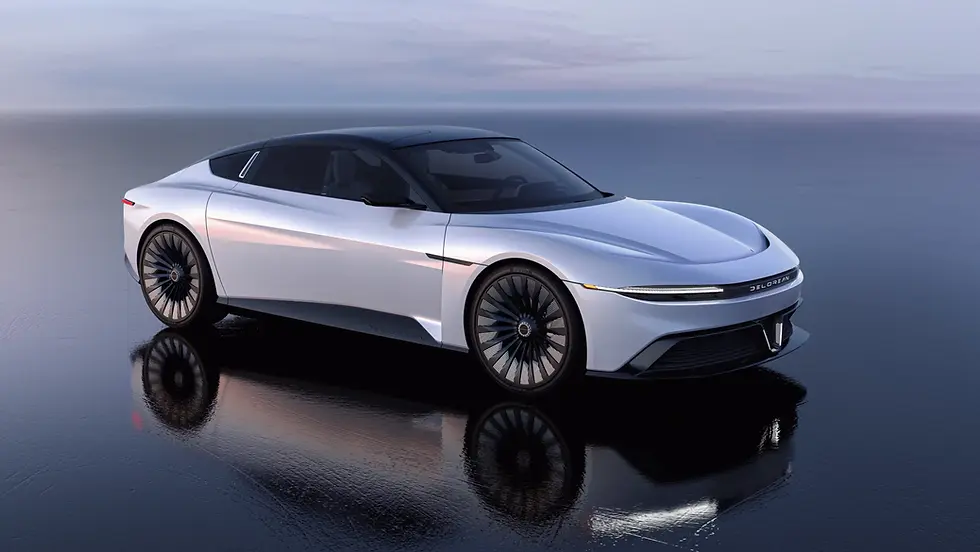
Reviving an iconic name, the DeLorean Alpha5 EV is set to enter production soon. It stays true to its sports car roots with designs reminiscent of the classic DeLorean.
6. Deus Vayanne

An exciting limited-run electric hypercar project promising extreme power (around 2250 hp) and astonishing performance figures.
7. Caterham Project V
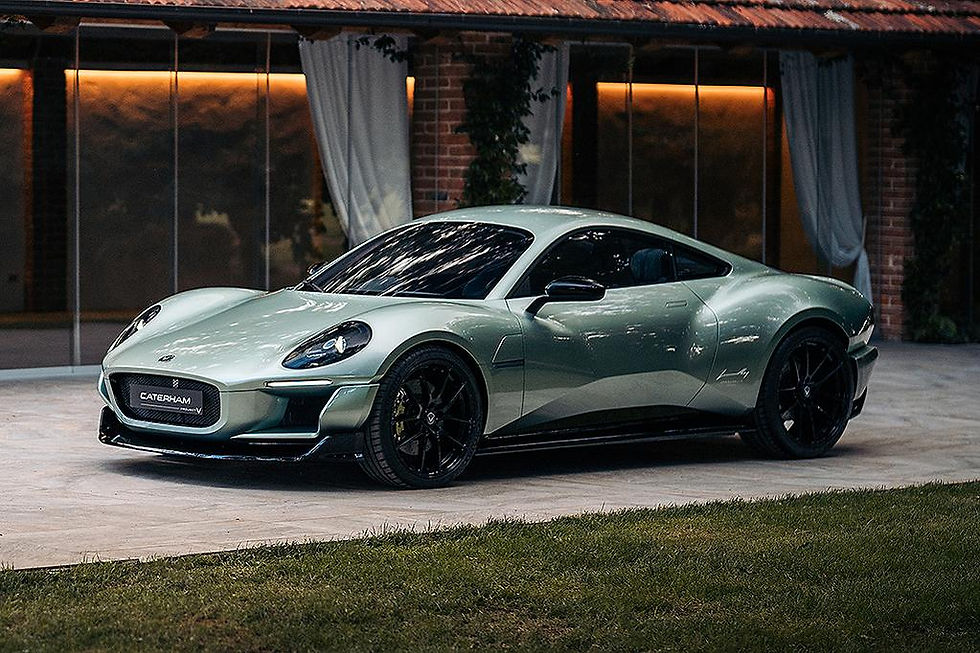
A unique upcoming electric sports car from Caterham, known for lightweight driver-focused vehicles. It’s confirmed for production around 2027, representing a serious EV sports car project.
8. Lotus Theory 1

The Lotus Theory 1 concept aims to redefine electric sports car dynamics with near 986 hp and futuristic design concepts. It’s a confirmed project pointing toward production EV performance cars.
9. Lexus LFA Concept BEV

Lexus has revealed the name and concept for an electric spiritual successor to the iconic LFA, suggesting mainstream brands are investing in EV sports cars.
Top Electric Sports Car Brands
Based on performance, market presence and engineering innovation, here are standout brands in the electric sports car world:
1. Rimac Automobili
Leader in extreme EV performance and battery/motor tech.
Nevera hypercar makes a bold statement for electric performance.
2. Porsche
Taycan series shows that electric cars can truly be sports cars.
Strong motorsport and engineering heritage helps bridge ICE and EV worlds.
3. Audi
RS e-tron GT brings Audi’s performance heritage into the EV era.
Honourable Mentions
Maserati (electric Folgore), Lotus (Theory 1), Caterham (Project V), DeLorean (Alpha5), Lexus (LFA Concept).
Electric Sports Cars vs ICE Sports Cars, Facts, Theories and Feedback
Performance Metrics
Acceleration: EVs win many acceleration battles due to instant torque.
Top Speed: Traditionally stronger in ICE cars, but EVs are catching up as gearing and motor tech evolve.
Handling: EV battery placement improves stability, sometimes at the cost of weight.
Driver Experience
Some petrolheads mourn the loss of engine sound, but modern EVs use digital soundscapes and immersive cockpit feedback to enhance driving thrill.
Charging vs Refuelling
EVs require charging infrastructure and time, whereas ICE cars refuel quickly. This is changing as fast charging improves.
Environmental Impact
EV sports cars combine performance with reduced emissions, aligning with global sustainability goals.
Conclusion
Electric sports cars are no longer just concept cars in brochures. They are here, they are fast, and they are redefining performance. With projects from legendary brands and pioneering newcomers alike, EV sports cars are poised to rival and in many cases outperform traditional ICE icons.
Whether you’re chasing acceleration figures, track prowess or the joy of cutting-edge engineering, the electric sports car world offers exciting possibilities.
FAQs
1. Are electric sports cars real or just concepts?
Yes, many are real and on roads today (e.g. Porsche Taycan, Audi RS e-tron GT) and several exciting models are confirmed for production (e.g. DeLorean Alpha5, Caterham Project V, Maserati GranTurismo Folgore).
2. How do electric sports cars compare with petrol sports cars?
Electric sports cars often accelerate faster due to instant torque and have competitive handling thanks to low centre of gravity. Petrol cars may still have advantages in top speed and driving sound/feel, but EV technology is rapidly evolving.
3. Do electric sports cars have short range?
High-performance EVs can vary some deliver strong range (300 + km) while others prioritise performance over range. Advancements are improving both.
4. Are electric sports cars expensive?
Performance EVs often command premium prices due to advanced battery and motor tech though costs are expected to become more accessible over time as the technology matures.


Comments