
How to Temporarily Fix Windscreen Wipers
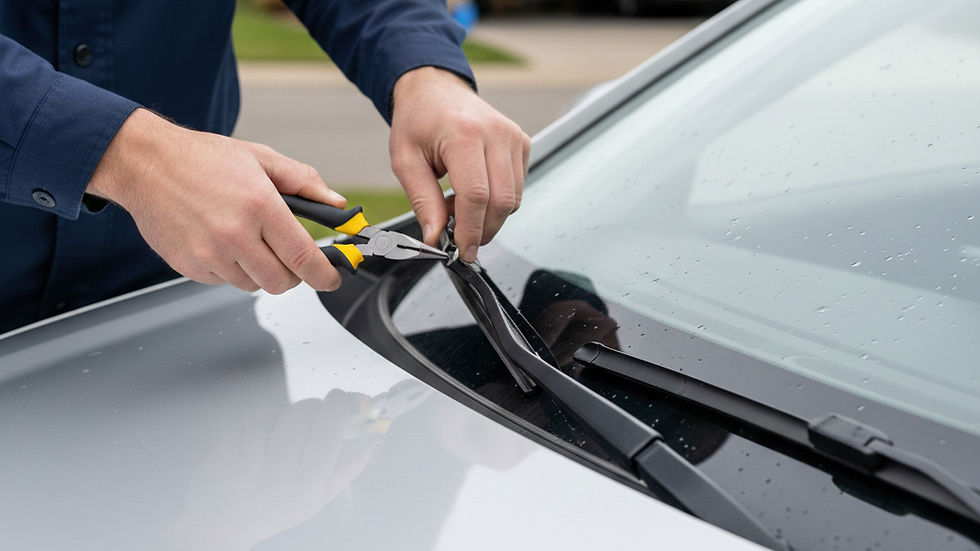
Rain can arrive at the most inconvenient times, and a faulty wiper can turn a short drive into a stressful ordeal. While replacing blades or the whole system is the long-term solution, there are several ways to temporarily restore performance, clear your view, and improve safety until proper windscreen wipers replacement can be done.
This guide provides practical, safe methods Aussie drivers can use to temporarily fix windscreen wiper blades and maintain a functional wiper windscreen setup in urgent situations.
Why Wipers Fail Suddenly
Unexpected failure often occurs due to the combination of Australia’s harsh climate and normal wear.
Common causes:
Rubber splitting or cracking from sun exposure
Loose or misaligned arms
Dust, sand, or grit trapped on the blade
Debris like tree sap or leaves
Washer fluid blockages
Being able to identify the cause helps determine which temporary fix will work best.
Signs You Need a Temporary Fix
Streaking or skipping
Skipping at high speeds
Squeaking noises
Lifting at the edges of the screen
Partial cleaning of the windscreen
These issues often don’t require immediate replacement and can be managed temporarily.
Quick Cleaning for Immediate Improvement
One of the simplest temporary fixes is a thorough cleaning.
Steps:
Wash windscreen with glass cleaner
Wipe blades with a damp cloth
Remove visible debris from rubber and frame
This reduces streaking and improves contact with the wiper windscreen.
Tighten or Adjust Wiper Arms
Loose arms cause skipping and uneven wiping.
How to adjust:
Lift the arm carefully from the screen
Check the base nut or bolt
Tighten slightly without overdoing it
Ensure the blade sits flush against the glass
A small adjustment can restore proper performance temporarily.
Temporary Rubber Fixes
If the rubber is slightly hardened but not cracked:
Use a damp cloth with mild soap to clean
Apply a light coat of rubber conditioner or glycerine
Run blades across a clean wet screen to smooth edges
This can soften the rubber enough to improve wiping for short-term use.
Improvised Pressure Solutions
Sometimes blades lift at high speeds. Temporary pressure fixes include:
Placing a folded cloth between the blade and arm joint to increase tension
Adjusting the arm slightly to increase contact
These solutions are only for short drives and should be removed once a permanent fix is available.
Temporary Washer Fluid Solutions
If poor fluid flow causes streaks:
Check for blockages in the jets and clear with a pin
Fill the reservoir with quality washer fluid
Avoid using plain water, which leaves film
Proper fluid improves immediate cleaning and reduces blade wear.
When Temporary Fixes Aren’t Enough
Even with temporary adjustments, windscreen wipers replacement may be inevitable. Replace blades if:
Rubber is cracked, frayed, or hardened
Frames are bent or rusted
Blade fails to maintain contact after adjustments
Australian conditions often limit blade life to 6–12 months, making timely replacement essential.
Choosing Replacement Blades
If temporary fixes fail, pick the right windscreen wiper blades:
Conventional: affordable and basic
Beam: even pressure and quieter
Hybrid: stylish, durable, and effective
Check sizes in the car manual and consider quality over cost for better performance.
Maintenance Tips to Avoid Frequent Fixes
Clean blades monthly
Wash windscreen weekly
Inspect arm tension quarterly
Apply rubber conditioner periodically
Replace blades at first sign of wear
Park in shade when possible
Regular maintenance reduces the need for emergency fixes and prolongs life of the wiper windscreen system.
Real-Life Example
A Perth commuter noticed streaking during a sudden rain shower. Instead of stopping the journey, they wiped the blades with a damp cloth, adjusted the arm tension slightly, and cleared the washer jets. The temporary fixes allowed clear visibility for the drive home. Full replacement was scheduled for the next day.
Step-by-Step Quick Visual Guide Clean → Adjust → Condition → Test → Replace Later
Think of it like temporarily patching a tyre—effective for short-term use but not permanent.
Common Mistakes to Avoid
Running dry blades on a dusty screen
Over-tightening arm nuts
Using harsh chemicals on rubber
Ignoring small cracks that can worsen
Skipping temporary adjustments in urgent situations
Addressing issues immediately, even temporarily, prevents accidents and further damage.
Final Thoughts
Temporary fixes for windscreen wipers can keep you safe during sudden weather events. Simple cleaning, minor adjustments, and rubber conditioning improve performance until proper windscreen wipers replacement can be performed. With quality windscreen wiper blades and a well-maintained wiper windscreen setup, Aussie drivers can maintain clear visibility and safer driving in all conditions.
FAQs
1. How long do temporary fixes last?
Temporary fixes generally last a few days or until you can replace or fully service the blades.
2. Can I drive safely with temporary adjustments?
Yes, but always drive cautiously and avoid heavy rain or high-speed conditions until proper windscreen wipers replacement.
3. When should I stop using temporary fixes?
If streaking, skipping, or lifting persists despite adjustments, it’s time to replace the blades to ensure safety.


Comments